
UPSC Prelims 2026: Smart Strategy Based on Official Syllabus

UPSC Prelims is not an exam of how much you study — it is an exam of how precisely you study. Every year, thousands of aspirants cover the entire syllabus but still fail to clear the cutoff. The reason is simple: lack of syllabus-based prioritization and smart planning.
Understanding UPSC Prelims 2026 Syllabus (GS Paper I)
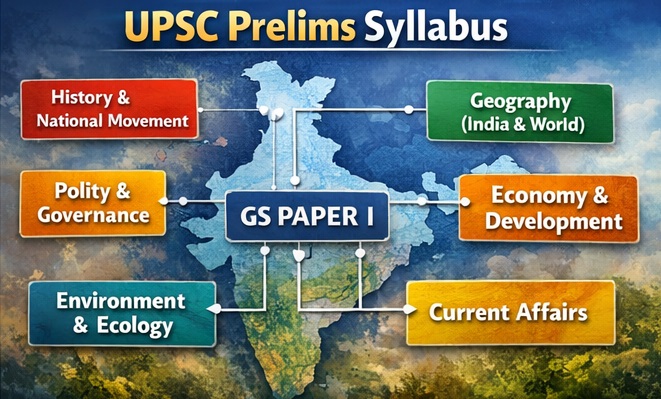
The official UPSC Prelims syllabus may look short, but it is conceptually vast. For 2026, aspirants must focus deeply on the following GS Paper I areas:
- History of India and Indian National Movement
- Indian and World Geography (Physical, Social, Economic)
- Indian Polity and Governance
- Economic and Social Development
- Environmental Ecology, Biodiversity, Climate Change
- General Science
- Current Affairs of National and International Importance
Why Traditional Preparation Fails in Prelims
Most aspirants follow static timetables and generic booklists. This approach ignores three realities of UPSC Prelims:
- Questions are increasingly analytical, not factual
- Static and current affairs are deeply integrated
- Weak areas decide elimination, not strong areas
Smart UPSC Prelims 2026 Strategy (Subject-wise)
Smart preparation means focusing on high-return syllabus zones, revising dynamically, and tracking mistakes continuously.
How AI-Based Planning Helps Aspirants
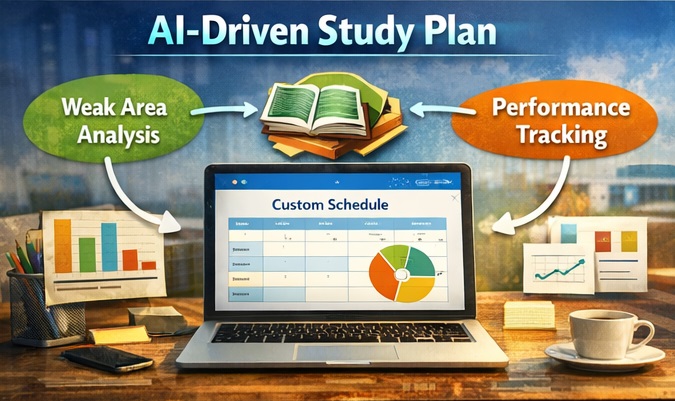
AI-assisted preparation systems analyze your quiz performance, identify weak syllabus areas, and automatically restructure your daily study plan. This removes guesswork and prevents over-studying low-impact topics.
Final Advice for UPSC Prelims 2026 Aspirants
UPSC Prelims rewards calm, consistent, and strategic aspirants. If you align your preparation with the syllabus, analyze mistakes regularly, and use data-driven planning, your chances improve significantly.
🎯 Start Preparation Now Join our WhatsApp Group for UPSC Preparation 2026, 2027 & 2028